
Every shift in a restaurant produces waste. Prep work leaves trimmings and peels, service leaves plate scraps and napkins, and every delivery brings a fresh stack of cardboard boxes and plastic wrap. Without a clear waste handling system, trash quickly spills into kitchen walkways, back doors, and parking areas.
That is why an organized restaurant waste management plan is essential to daily operations. Paired with the right commercial trash service, a good plan simplifies disposal, reduces overflow, and keeps your property cleaner for employees and customers alike. At SOCO Waste, we work with local businesses in the restaurant industry across Colorado Springs every week, and below, we will share practical ways to keep your restaurant’s waste under control.
Why Restaurant Waste Management Matters
Waste is one of the few things a restaurant produces every single day, no matter how busy service gets. An effective waste management strategy helps you:
- Control operating expenses by matching container size and pickups to your actual needs.
- Keep the property organized so trash never blocks exits, walkways, or delivery areas.
- Protect kitchen workflow by giving staff a fast, simple way to get waste out of the way.
- Support sanitation by reducing odors, discouraging pests, and keeping disposal areas clean.
Consistent, predictable commercial trash service becomes one less thing your managers have to think about during a busy week.
Preventing Odors, Pests, and Overflow
Food scraps are the biggest challenge. When food waste and other garbage is left uncovered or allowed to pile up, it attracts flies, rodents, and other pests and creates unpleasant odors in kitchens, storage rooms, and outdoor dumpsters. Those smells do not stay behind the building, either. They can drift toward patios, entrances, and neighboring businesses.
Clear disposal procedures and a reliable waste collection schedule are the best defense. Bag food waste securely, keep dumpster lids closed, and make sure the container is emptied before it reaches capacity. An overflowing dumpster is a sign that your size or schedule needs adjusting.
Supporting Health and Sanitation Standards
Restaurants should follow applicable local health codes and sanitation requirements for handling food waste, maintaining disposal areas, and keeping garbage away from food preparation spaces. In the Colorado Springs area, the county health department can answer questions about waste disposal regulations that apply to your establishment.
Good habits go a long way toward meeting those industry standards:
- Empty indoor bins regularly, especially at the end of each shift
- Clean and sanitize solid waste containers and the area around the dumpster
- Store waste in covered, secure containers away from prep surfaces
- Keep fryer oil and grease out of the dumpster and use a dedicated grease container serviced by a qualified hauler
Separating grease, used cooking oil, and other specialized food waste streams from everyday trash reduces contamination risks and makes your dumpster area much easier to maintain.
The Importance of Choosing the Right Commercial Dumpster Service for Your Restaurant
Container size directly affects both cleanliness and disposal cost. A dumpster that is too small overflows between pickups, while one that is too large means paying for capacity you never use. The goal is to find a commercial dumpster that comfortably fits your restaurant’s real waste volume.
SOCO Waste offers weekly commercial trash service with 2-yard, 3-yard, and 4-yard dumpsters, so businesses of all sizes can find the right fit. Here is how each option compares for food service.
2-Yard Dumpster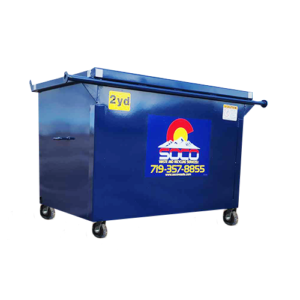
A 2-yard dumpster holds approximately 24 regular trash bags. It may suit smaller food businesses with relatively low daily waste, such as a coffee shop, small café, or takeout counter with limited seating.
Before choosing this size, evaluate your daily customer volume, how much packaging you go through, and how much food prep happens on site. A small menu with mostly packaged items creates far less waste than a scratch kitchen.
3-Yard Dumpster
A 3-yard dumpster holds about 36 regular trash bags and suits businesses like restaurants, bars, and healthcare offices. For many sit-down restaurants, this is the natural starting point.
It offers a practical balance of capacity and footprint for restaurants that generate a consistent volume of trash throughout the week, without taking up more space than necessary behind the building.
4-Yard Dumpster
A 4-yard dumpster holds approximately 48 regular trash bags. It may be worth considering for larger restaurants, high-volume kitchens, and busy food service establishments that serve large crowds or host catering and events.
Keep an eye on how quickly the container fills. If it is consistently full well before pickup day, especially after weekends or busy service periods, it may be time to add capacity.
How To Optimize Your Commercial Dumpster Pickup Schedule
The right collection schedule reflects how much waste your restaurant generates, how quickly containers fill, and when disposal demand is highest. A schedule that worked when you opened may not fit after new menu planning, a new patio, or a jump in takeout orders.
Working with your waste removal service provider to review pickup frequency helps prevent overflowing dumpsters, avoid unnecessary collections, and keep waste disposal costs manageable.
Track Daily and Weekly Waste Volumes
Monitor dumpster fill levels over several weeks to identify patterns in waste production. Pay attention to how your volume changes during:
- Regular weekday service
- Weekends and peak dining hours
- Holidays and seasonal rushes
- Special events, private parties, and catering orders
Use these observations to decide whether your current container and weekly pickup schedule adequately support your restaurant, or whether a different size would serve you better.
Make Food Waste Disposal More Efficient
Place clearly labeled waste containers in food preparation, dishwashing, and kitchen cleanup areas so employees can toss scraps without interrupting their workflow. When bins are easy to reach, staff are less likely to let waste pile up on counters or floors.
Where practical, track food waste from prep trimmings and leftover meals. Noticing that a certain dish is often sent back half-eaten, or that one ingredient is regularly over-prepped, can reveal opportunities to reduce waste, lower food costs, and ease disposal demands at the same time.
Manage Cardboard and Packaging Waste
Cardboard is one of the bulkiest items a restaurant throws away. Unflattened boxes can fill a dumpster in a day or two, leaving little room for food waste. Break down every box and consolidate suitable packaging materials to reduce clutter and use your container space better.
Separate recyclable materials according to local program requirements and confirm which items are accepted before setting up a sorting system. Our recycling page is a good place to start if you have questions.
Streamline Restaurant Waste Management with SOCO Waste
A well-run restaurant deserves a waste system that runs just as smoothly. As a locally owned, family-operated company, SOCO Waste provides weekly commercial trash service in Colorado Springs and surrounding areas, including Falcon and Fountain, with 2-yard, 3-yard, and 4-yard dumpster options sized for businesses like yours.
Our team can help you assess your waste disposal needs, choose an appropriate dumpster size, and set up reliable weekly pickup so your kitchen and property stay clean.
Call SOCO Waste today at (719) 357-8855 to set up your commercial dumpster service, or request a free quote online.