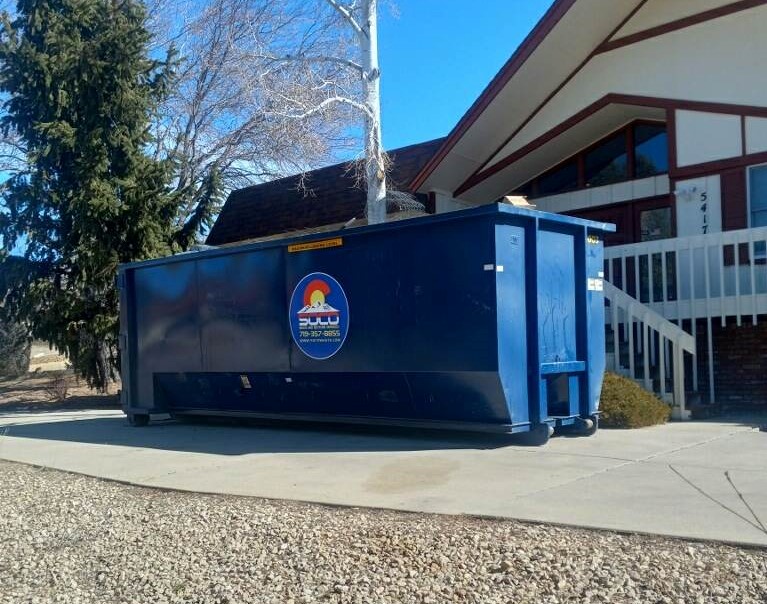
Weight limits for dumpster rentals are a key part of your rental agreement and help determine what you can legally and safely dispose of. Understanding these limits before you start loading prevents costly surprises when your dumpster gets picked up.
Exceeding a dumpster weight limit can lead to extra fees, rejected pickups, and delays that disrupt your project timeline. What seems like a manageable pile of debris can quickly become an expensive problem if you don’t account for how heavy certain materials actually are.
Next, we will explain what dumpster weight limits mean, why they exist, and how to stay within them. We’ll cover the costs of going over, estimation strategies, smart loading tips, and when upgrading makes sense for your project.
What Is a Dumpster Weight Limit and Why Does It Exist?
A dumpster weight limit is the maximum weight of debris that your rental container can legally and safely carry before you’re charged extra. This threshold varies by dumpster size, with smaller containers typically allowing 1-3 tons and larger roll-offs permitting 3-5 tons of material.
These limits are set by waste companies like SOCO Waste and align with safe hauling standards and disposal costs charged by landfills. Heavier loads cost more to process at landfills, and these costs are passed along to customers when they exceed their included weight allowance.
The Safety Reasons Behind Weight Limits
Exceeding the roll-off dumpster weight limit can create safety hazards for drivers, equipment, and your property due to strain on transport vehicles. Overloaded dumpsters risk truck damage, brake failure, or even tipping during transport, creating dangerous situations on roadways.
Proper weight limits ensure that the dumpster can be securely lifted and hauled without risking tipping, structural damage, or injury. The hydraulic systems on roll-off trucks are rated for specific maximum loads, and exceeding these ratings compromises both equipment and operator safety.
Legal and Environmental Requirements That Impact Weight Limits
Weight limits also help ensure compliance with road safety regulations and landfill tipping weight limits. Commercial vehicles must comply with Department of Transportation weight restrictions on public roads, and overloaded dumpsters can violate these requirements.
Overloading a dumpster can increase fuel use and emissions, making adherence to proper limits important for both legal and environmental reasons. Heavier loads require more fuel to transport and contribute to unnecessary carbon emissions when trucks make multiple trips to correct weight violations.
The Cost of Exceeding Your Roll-Off Dumpster Weight Limit
If you exceed your allowed dumpster weight limit, companies like SOCO Waste typically charge an overage fee per extra ton. These charges can vary, but are often charged per ton over the included weight, though rates vary by location and material type.
Unplanned weight overages can add hundreds of dollars to your project cost and strain your budget. A dumpster that goes over by just a couple of tons can add large sums in unexpected fees that weren’t accounted for in your original estimates.
Overage Fees and Extra Charges Explained
Extra fees not only include per-ton charges, but potentially additional labor if the company has to re-arrange or lighten the dumpster before pickup. If your dumpster is deemed too heavy to transport safely, the rental company may need to send workers to remove material before the truck can haul it away.
These labor charges add up quickly and can significantly increase your total costs beyond simple overage fees. The combination of weight fees and labor charges makes prevention far cheaper than paying for corrections after the fact.
How Overages Can Delay Your Project
Dumpsters that exceed their roll-off dumpster weight limit may be deemed unsafe for transport and refused pickup until the weight limit is corrected. The driver may arrive, weigh the load, and refuse to haul it if it exceeds safe transport limits, leaving you with a full dumpster and no disposal solution.
This can throw off your schedule, especially on tight timelines like renovations or construction jobs. Waiting for the rental company to return after you’ve lightened the load, or arranging alternative disposal for the excess material, creates delays that cascade through the rest of your project schedule.
How to Estimate and Stay Within Your Dumpster Weight Limit
Estimating your debris weight before ordering can help you pick the right dumpster size and avoid overage fees. Taking time to calculate approximate weights based on material type prevents the costly surprise of weight violations.
Consider the type of material you’re disposing of, because heavy debris like concrete or dirt weighs far more than loose household trash. A cubic yard of concrete weighs roughly 4,000 pounds, while the same volume of household junk might weigh only 300-400 pounds.
Using Material Weights to Predict Total Load
Knowing average weights for common materials can help you estimate your total load and choose the correct container. Concrete, asphalt, dirt, and brick are extremely dense materials that fill weight limits long before they fill volume capacity.
For example, roofing shingles and construction debris add significant weight compared to lighter yard waste or furniture. A typical roof tear-off can generate a few tons of shingles alone, while furniture and household items might fill an entire dumpster while weighing under that same amount.
Choosing the Right Dumpster Size From the Start
Choosing a dumpster with a higher dumpster weight limit based on your project type helps you avoid surprises on pickup day. Heavy material projects like concrete removal or dirt excavation require larger dumpsters, not for volume but for the higher weight allowances they include.
If you’re unsure, contacting experts like those at SOCO Waste can help you match your project needs with the correct size and weight allowance. Our team has seen thousands of projects and can recommend the appropriate container based on your specific materials and quantities.
Strategies to Avoid Exceeding Weight Limits
Spread heavy materials evenly and avoid overfilling any one area of the dumpster to help manage overall weight distribution. Concentrating weight in one spot can stress the container structure and make lifting dangerous, even if the total weight is within limits.
Breaking up heavy items and staggering disposal across multiple dumpsters or trips can keep you within your weight limits and avoid fees. For large projects that generate tons of heavy debris, renting two smaller dumpsters or scheduling sequential rentals may prove cheaper than incurring overage fees on a single overloaded container.
Smart Loading Tips
Load heavier items evenly from the bottom up to distribute weight and help your roll-off dumpster stay under its weight limit. Placing concrete chunks or dirt at the bottom spread across the entire floor prevents localized stress points and ensures accurate weight distribution during hauling.
Avoid placing excessive amounts of dirt or heavy debris in a lightweight limit container. If you’re primarily disposing of heavy materials, select a dumpster based on weight capacity rather than volume, even if it seems oversized for the amount of debris.
When to Upgrade Your Dumpster
If your project consistently approaches the weight limit, it’s often cheaper to upgrade to a larger dumpster with a higher limit upfront. The difference in rental cost between a 20-yard and 30-yard dumpster is typically $50-100, while weight overage fees can easily exceed that amount.
Upgrading can save time, avoid penalties, and keep your waste removal process on track. Planning for adequate weight capacity from the start eliminates the hassle of managing multiple pickups, lightening overloaded containers, or paying unexpected fees.
Choose SOCO Waste for Easy Planning and Ordering
Knowing why weight limits matter in dumpster rentals helps you plan better, save money, and avoid project disruptions. Knowledge about material weights, proper container selection, and smart loading strategies prevents the frustration and expense of weight violations.
With the right estimates, smart loading, and choosing the right roll-off dumpster option, you can keep your rental within limits and make waste removal a smooth part of your project. SOCO Waste provides transparent information on weight limits and expert guidance to help Colorado Springs customers select appropriate containers for their specific needs. Call SOCO Waste at (719) 357-8855 to receive a free quote and discuss your project requirements with our knowledgeable team.